The Ultimate Guide to Waterfront Permits for Tennessee Dock & Shoreline Projects
What Permits Do You Need for Waterfront Construction in Tennessee? Here’s What Property Owners Should Know
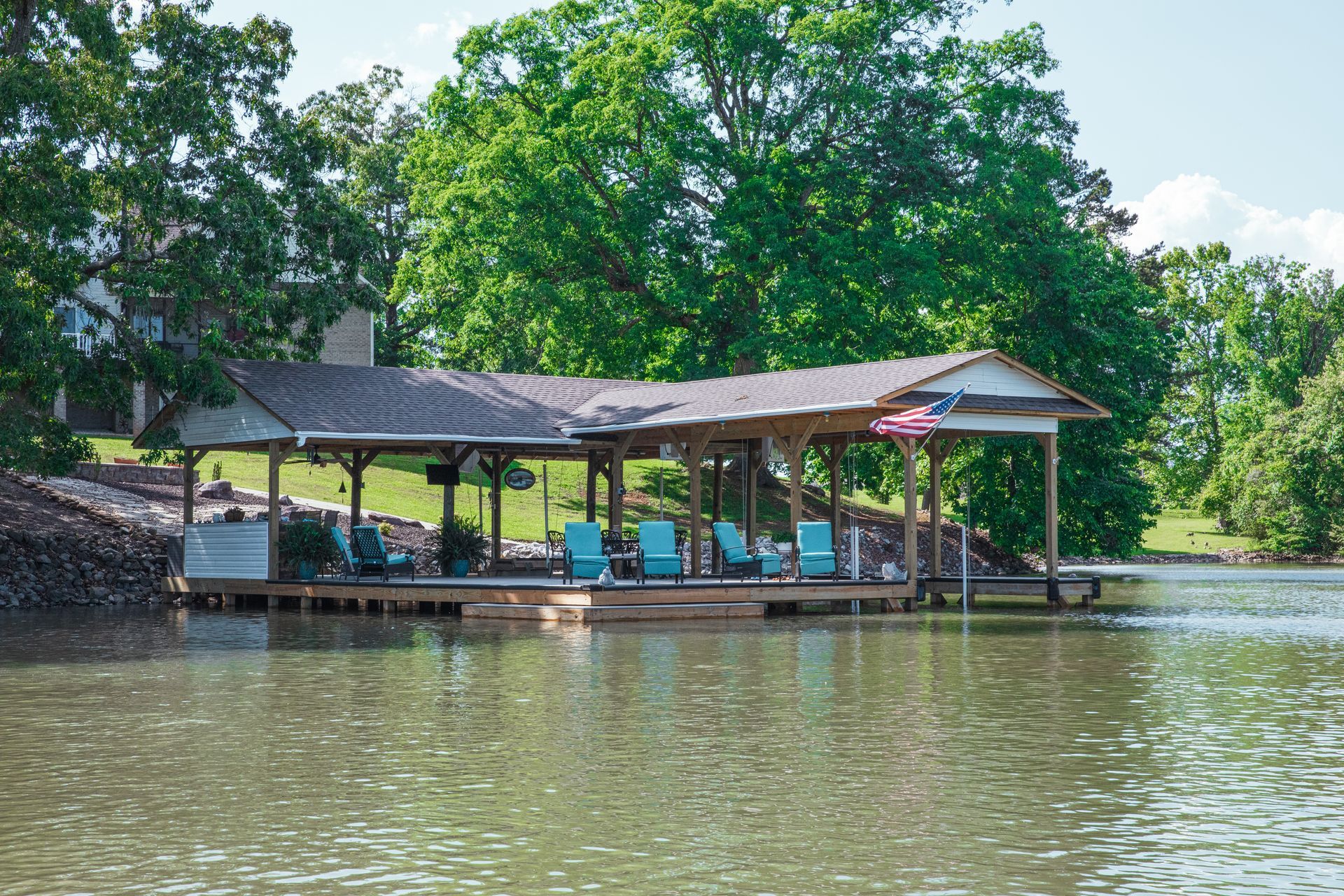
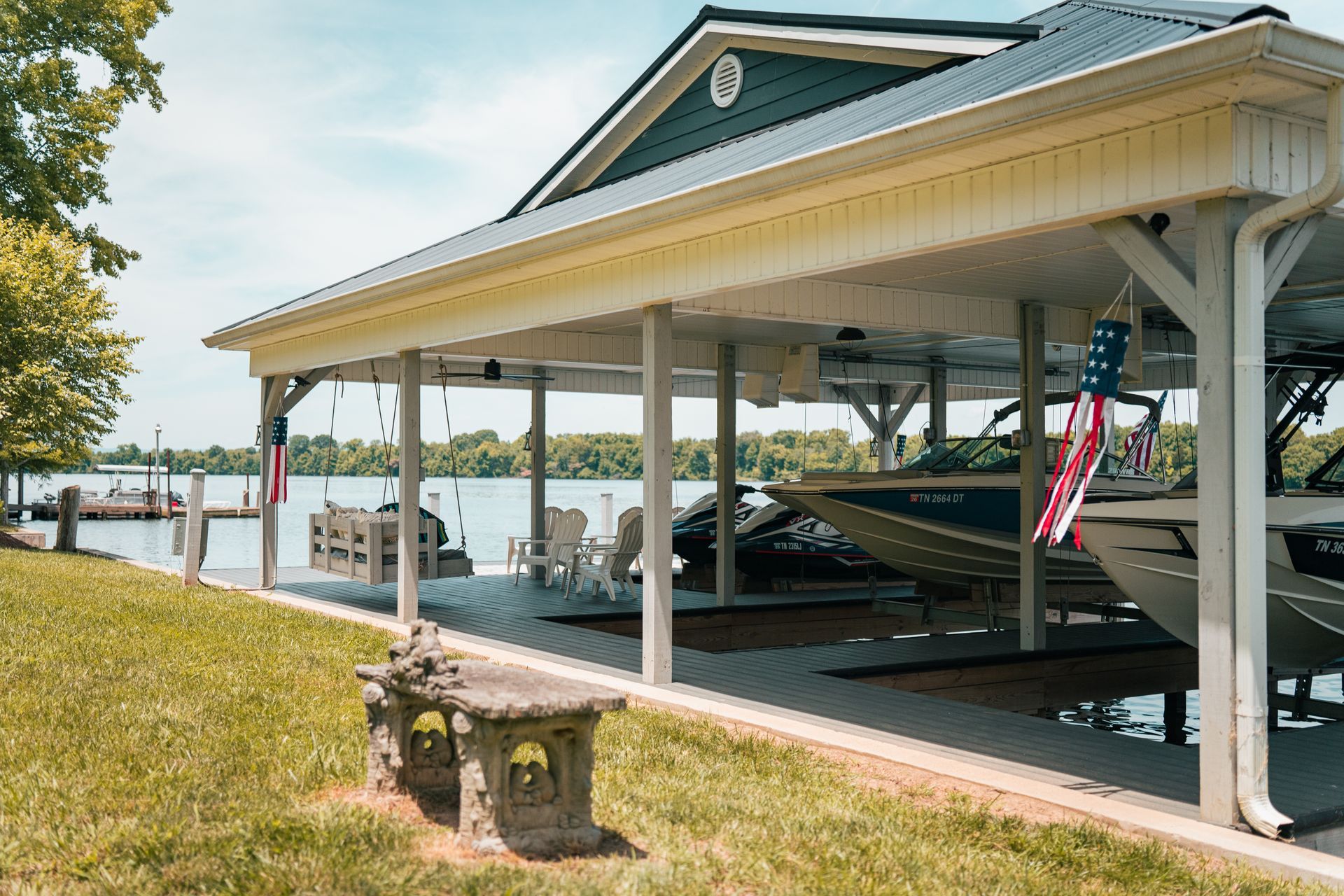
If you own waterfront property in East Tennessee, whether on Chickamauga Lake, Watts Bar Lake, Fort Loudoun Lake, Hiwassee Lake, or Tellico Lake, building a dock, installing a boat lift, or stabilizing your shoreline requires more than a great design. Before construction can begin, you must secure the proper waterfront permits from the appropriate regulatory agencies.
At LMH Waterfront Construction, we guide property owners through every step of the permitting process to ensure projects remain compliant, efficient, and stress-free.
Why Are Waterfront Permits Required in Tennessee?
Waterfront construction directly impacts navigable waterways, shoreline ecosystems, and public access, which is why these projects are regulated at both the state and federal levels. Permits help protect water quality, prevent erosion, and ensure that docks, lifts, and shoreline structures do not interfere with navigation or flood control. Failing to obtain the required permits can result in costly delays or enforcement action.
Which Waterfront Permits Are Required for Dock & Shoreline Projects?
The permits required for your project depend on the lake where your property is located and the scope of work involved. Many waterfront construction projects in Tennessee fall under the authority of the Tennessee Valley Authority and/or the U.S. Army Corps of Engineers, while certain shoreline conditions may also trigger state or local environmental review. Identifying the correct permitting authority early helps prevent setbacks later in the process.
What Is a TVA Section 26a Permit and When Is It Required?
A
TVA Section 26a permit is required for most construction on TVA-managed lakes, including Chickamauga, Watts Bar, Fort Loudoun, and Tellico Lake. These permits apply to docks, boat lifts, walkways, seawalls, and shoreline stabilization projects that impact TVA-controlled waters or land. LMH Waterfront Construction routinely manages TVA 26a permits and acts as your authorized agent throughout the approval process.
Are Additional State or Local Permits Ever Required?
In certain situations, additional permits may be required for erosion control, shoreline stabilization, building and codes enforcement permits, or work performed in environmentally sensitive areas. These requirements can vary based on local jurisdiction, shoreline conditions, and the specific nature of the construction. LMH evaluates each project individually to ensure that all applicable permits are addressed before construction begins.
What Happens If You Build Without the Proper Waterfront Permits?
Building without the appropriate permits can lead to stop-work orders, fines, or even the removal of non-compliant structures. Unpermitted construction can also complicate future property sales, refinancing, or insurance coverage. Securing permits in advance protects your investment and ensures long-term compliance.
How LMH Waterfront Construction Handles the Permit Process for You
LMH Waterfront Construction manages the permitting process from start to finish, serving as the primary point of contact with regulatory agencies. Our team prepares applications, submits documentation, communicates directly with permitting officials, and coordinates any required site visits. This streamlined approach helps avoid delays and keeps projects moving forward efficiently.
What Information Is Needed to Apply for Waterfront Construction Permits?
Most permit applications require detailed information about your property, proposed structures, and shoreline conditions. Accurate site plans, structure dimensions, and environmental considerations are essential for approval. LMH ensures that all documentation is complete and correctly prepared before submission, minimizing the risk of revisions or resubmittals.
How Long Does It Take to Get Waterfront Permits Approved in Tennessee?
Approval timelines vary based on the permitting authority, project complexity, and time of year. In many cases, waterfront permits in Tennessee are approved within approximately 100-120 days. Planning ahead is especially important during peak construction seasons when review times may increase.
When Can Construction Begin After Permit Approval?
Once permits are approved, most allow construction to begin at any time within an eighteen-month window. This flexibility allows property owners to coordinate construction schedules, seasonal water levels, and material availability. After approval, LMH can seamlessly transition your project into dock construction, boat lift installation, or shoreline stabilization.
Why Choose LMH Waterfront Construction for Permits & Waterfront Projects?
As a Tennessee licensed contractor holding both Residential and Heavy Commercial licenses, LMH Waterfront Construction brings decades of experience navigating TVA, USACE, and local permitting requirements throughout East Tennessee. By combining regulatory expertise with high-quality waterfront construction services, LMH delivers compliant, durable, and visually appealing projects from permit approval through final installation.
Ready to Start Your Waterfront Project?
Waterfront permits don’t have to delay or derail your project. Whether you are planning custom dock construction, renovating a current dock structure, or investing in shoreline stabilization, LMH Waterfront Construction handles the permitting process so you can move forward with confidence.
Schedule a Waterfront Consultation with LMH Waterfront Construction today. Get expert guidance, avoid costly mistakes, and start your waterfront project the right way.